
"Central Mountains"
5000 article(s) found

Single coffee Guatemala Vivetna fruit imported raw beans Central American SHB very hard beans boutique coffee beans
Coffee Bean details: country: Guatemala Grade: SHB production area: Vivette Nan Fruit Baking degree: medium-depth Baking method: washing Variety: Kaddura, Kaduai, bourbon soil: volcanic soil Flavor: nuts, Dark Chocolate, cut Tobacco Guatemala is famous for its highland topography, its unique flavor of high-altitude extremely hard beans is extremely good in all-inclusive coffee producing areas.

The rich aroma manor of Colombian coffee producing area introduces the treatment methods of fine coffee beans.
Colombia is fortunate to have Atlantic and Pacific ports, which helps to reduce the cost of transporting coffee. In South America, she is the only country with this condition. The main production areas of Colombia are in the central and eastern mountains. The most important plantations along the central mountains are located in Medellin, Almenia and Manisales. In the above three areas

What are the similar characteristics of coffee produced in different countries?
The most sensible and practical way to understand coffee-producing countries is to classify them into the world's three major coffee growing regions: Africa, Indonesia and Central and South America. Generally speaking, coffee grown in the vicinity has similar characteristics. If a particular bean is out of stock, the manufacturer and buyer of the comprehensive product will usually look for a nearby country. People who make comprehensive products will say: I think

Coffee of Colombia, a mountain area in the eastern mountains of Colombia's boutique coffee Huila region.
Boutique coffee is fresh coffee. Whether it's food or drink, of course, the fresh the better, and so is boutique coffee. High-quality coffee should keep the coffee beans fresh before making, including the preservation of baked beans, and grind the coffee beans into powder before making, which is also to retain its original and best flavor. And the way of making hand-made coffee is such a way to make high-quality coffee.

Flavor and taste characteristics of coffee manor in Ecuador introduction to Santa Cruz Manor
Ecuador is divided into the western coast, the central mountains, the eastern Amazon River basin and the four central regions of the Galapagos Islands, with diverse climatic conditions. The western coastal plain belongs to the tropical rain forest climate, with an average temperature of 23-25 ℃. The central Andes. The intermountain basin in this area belongs to the savanna climate, and the mountain belongs to the subtropical forest climate, with perennial snow above 4000 meters above sea level. Annual average decline

Panamanian area? Panama knows him!
Panama Coffee Panama is located at 9 degrees north latitude, the confluence point of the Central Mountains, where Mount Baru, one of the highest volcanoes in Central America, is located. The Baru volcano has an altitude of more than 11400 feet, and the land around it is rich in nutritious and fertile soil, providing sufficient conditions for the sowing and cultivation of coffee endemic to Panama. Coffee was introduced into Panama in 1780 by Europeans.

Introduction to the taste of manor flavor description in Huilan producing area of Colombian coffee bean
Columbia coffee bean Huihuilan manor flavor description variety introduction while Quindo Cordillera is located in the central Colombian region, between the West Cottrella Mountains and the Central Cottrella Mountains in the Andes. The vast expanse here, the great Antioquia, with their modesty, diligence and continuous progress, toiled in the mountains.

Coffee utensils from which country in the coffee bean producing area
The most sensible and practical way to understand coffee-producing countries is to classify them into the world's three major coffee growing regions: Africa, Indonesia and Central and South America. Generally speaking, coffee grown in the vicinity has similar characteristics. If a particular bean is out of stock, the manufacturer and buyer of the comprehensive product will usually look for a nearby country. People who make comprehensive products will say: I think

The characteristics of Colombian Coffee with strong texture introduction to Colombian Coffee production
The best Colombian beans, similar to Costa rica or Hawaiian Cona beans, are non-extreme coffee, rich in texture, but not as strong as Sumatra; rich in aroma, but not as good as the best Jamaican alpine flavor; sour, but not as sour as Antigua acid. It often has a sweet taste like caramel, similar to the aroma of pudding, smells lack of sour fruit, reminiscent of milk frying
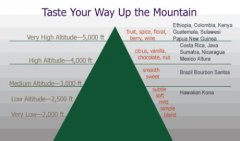
Effect of altitude on Coffee Flavor basic knowledge of Coffee
The influence of geographical location on the flavor of coffee beans is profound. All coffee grows in the tropics, and the altitude at which it grows has a profound effect on the taste of coffee. The tropical belt extends from 30 degrees north latitude to the equatorial regions of the southern mountains that produce the world's truly high-quality Arabica coffee. Central and South America, South Asia and some Pacific islands, south-central Africa is also the most important in the world.
Introduction to the characteristics of African beans in coffee bean producing areas
The most sensible and practical way to understand coffee-producing countries is to classify them into the world's three major coffee growing regions: Africa, Indonesia and Central and South America. Generally speaking, coffee grown in the vicinity has similar characteristics. If a particular bean is out of stock, the manufacturer and buyer of the comprehensive product will usually look for a nearby country. People who make comprehensive products will say: I think
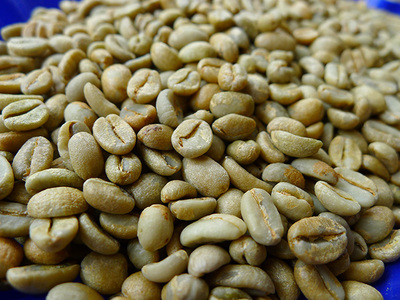
Vivette Nan fruit imported raw beans Guatemala Central American SHB very hard beans single coffee raw bean price
Guatemala, which is famous for its highland topography, has a unique flavor of high-altitude hard beans that perform well in all-inclusive coffee producing areas and produce high-quality coffee with eye-catching performance. Guatemalan coffee has rich flavor changes and strong acidity, and sometimes can feel some changes in spices, from medium to full consistency, high complexity, is the best representative of complex style.
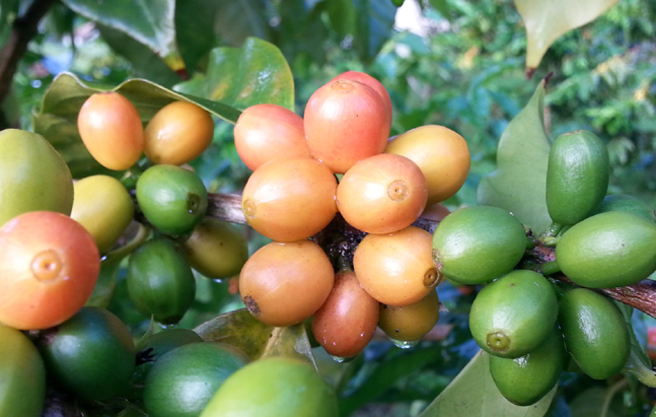
A brief introduction to the flavor of coffee beans in Central and South America
For professional baristas, please follow the coffee workshop (Wechat official account cafe_style) Central America generally refers to the narrow strip of central America south of Mexico and north of the Panama Canal, also known as the Central American Isthmus, including Guatemala, Belize, El Salvador, Honduras, Nicaragua, Costa Rica and Panama, all of which produce coffee.

Description of characteristics and flavor of coffee beans in three major producing areas introduction of varieties treated in manor production areas
CubitaCoffee in Cuba, the cultivation of coffee is regulated by the state. The best coffee growing area in Cuba is located in the Central Mountains. Because this area not only grows coffee, but also produces quartz, crystal and other precious minerals, it is also known as Crystal Mountain. Crystal Mountain is adjacent to the Blue Mountains of Jamaica, with similar climatic conditions and taste similar to Blue Mountain Coffee.

Bitter fragrant Guatemala Antigua Flower God Coffee Grinding characteristics introduction to the taste of varieties in producing areas
All of Guatemala is made up of mountains and plateaus. There are Kuchu Matanes Mountains in the west, Madre Mountains in the south, volcanic belts in the west and south, with more than 30 volcanoes. Tahumurco volcano is 4211 meters above sea level, which is the highest peak in Central America. Earthquakes are frequent. There are Petten lowlands in the north. There are narrow coastal plains on the Pacific coast. The major cities are mostly distributed in the intermountain basins in the south. Its

Introduction to the varieties of Grinding scale by the method of Flavor and taste treatment in Columbia Coffee Bean Manor
Colombia is fortunate to have Atlantic and Pacific ports, which helps to reduce the cost of transporting coffee. In South America, she is the only country with this condition. The main production areas of Colombia are in the central and eastern mountains. The most important plantations along the central mountains are located in Medellin, Almenia and Manisales. In the above three areas

Description of flavor and flavor of washed AA Top coffee from Duomen Qidi treatment plant in Kenya
Professional baristas please follow the coffee workshop (Wechat official account cafe_style) Nyeri in central Kenya is located in the east of the Abadale Mountains Mountains and the west of Mount Mount Kenya, is a key producer of premium boutique coffee in Kenya in recent years. The Mushika Cooperative (Mutheka) began to grow coffee and bags in the 1950s.

Dominica | BARAHONA, CIBAO, ALTURA, CORDILLERA CENTRAL, NEYBA
Professional coffee knowledge exchange more coffee bean information please follow the coffee workshop (Wechat official account cafe_style) Dominica | BARAHONA, CIBAO, ALTURA, CORDILLERA CENTRAL, NEYBA, VALDESIA flavor differences? The Dominican Republic is adjacent to Cuba and Jamaica to the west, and its geographical environment and climate are similar to those of Jamaica. Its coffee cultivation model

Introduction of taste varieties of Columbia Snow Mountain Coffee Bean by characteristic Grinding scale Flavor description treatment
Columbia Snow Mountain Coffee Bean characteristics Grinding scale Flavor description Taste Variety introduction Colombia is fortunate to have Atlantic and Pacific ports, which helps to reduce the cost of coffee transportation. In South America, she is the only country with this condition. The main production areas of Colombia are in the central and eastern mountains. The most important plantations along the central mountains

Introduction to the characteristics of coffee flavor and taste in the fragrant Santa Cruz Manor of Ecuador
The Republic of Ecuador is located in northwestern South America. It is bordered by Colombia in the northeast, Peru in the southeast and the Pacific Ocean in the west. It covers an area of 256370 square kilometers and the coastline is about 930km long. The equator runs through the north of the border, and Ecuador means the Spanish equator. Ecuador is divided into the western coast, the central mountains, the eastern Amazon River basin and the four central regions of the Galapagos Islands.